

To determine if your engine's "upper floor" is truly failing or if the issue lies in a peripheral system, a precise diagnostic approach is required. This method ensures you don't waste money on a Head Gasket Set when the problem is actually a simple valve or sensor.
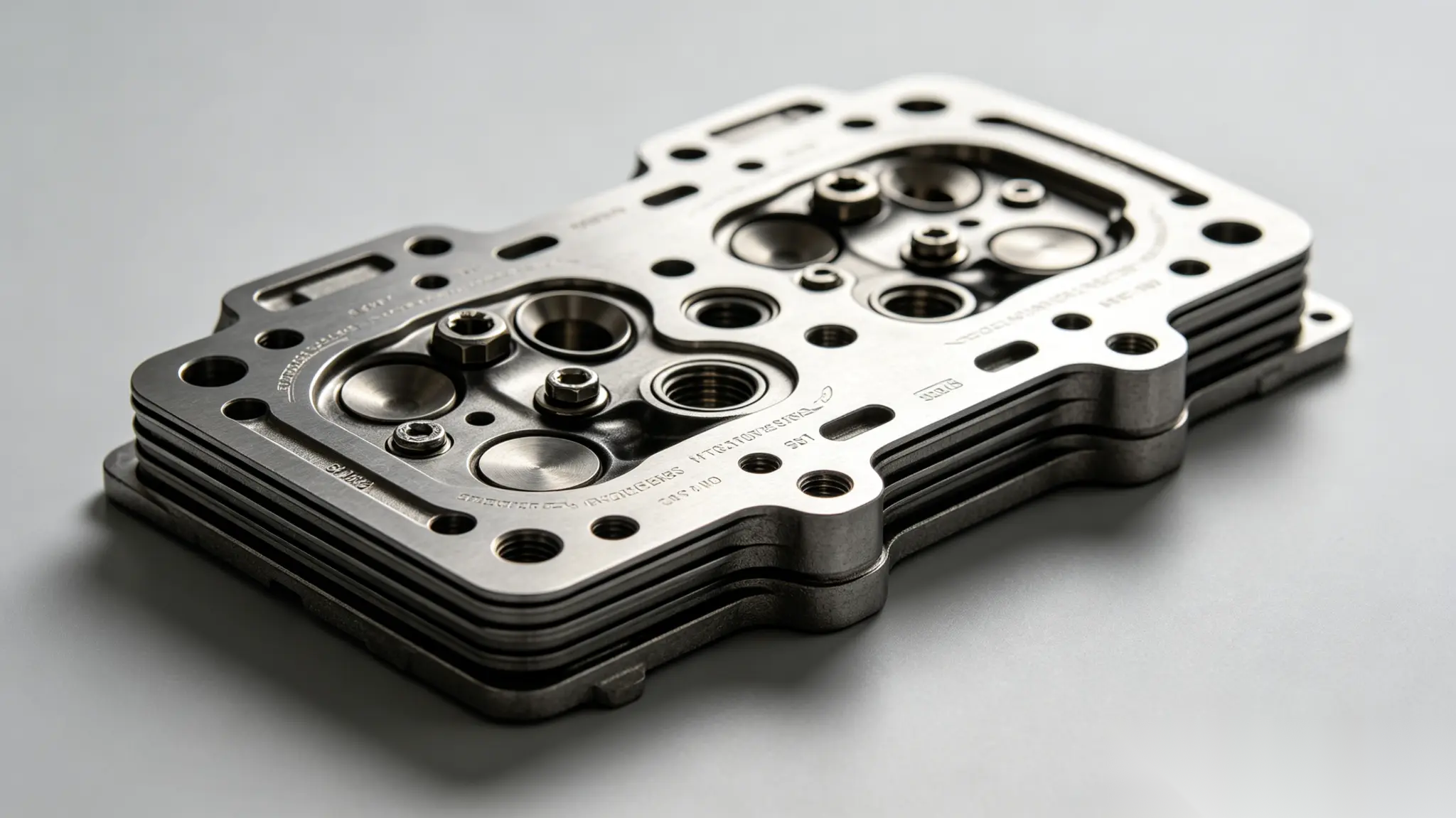
Common Symptoms of Upper Engine Failure
Failures in the cylinder head or gasket usually manifest through "cross-contamination" or "compression loss":
- White "Sweet" Smoke: Coolant burning in the combustion chamber.
- Oil "Milkshake": Coolant mixing with oil, visible on the dipstick.
- Overheating: Combustion gases entering the cooling system, causing high pressure and temperature.
- Loss of Power: Significant shaking or rough idling due to compression leaks between cylinders.
Step 1: DIY Readiness & Risk Audit
Before touching a wrench, understand that "Upper Engine" work is Red Alert territory. Unlike a simple brake pad swap on a 2016 Toyota Camry, a head gasket involves Core Power Systems and Engine Disassembly. It requires specialized tools like high-pressure leak testers and engine hoists. If you lack these, attempting this DIY could lead to vehicle scrappage.
Step 2: Systemic Exclusion (Ruling out the "Imposters")
Don't assume it's a head gasket yet. Check the three "Upstream" systems that often mimic internal engine failure:
- PCV (Crankshaft Ventilation): Look for codes P0171/P0174. A clogged PCV valve causes oil vapor to contaminate the system, creating smoke that looks like a gasket leak.
- EGR (Exhaust Gas Recirculation): Look for codes P0400-P0409. If the EGR is stuck, combustion chamber temperatures skyrocket, causing misfires and severe shaking that feels like a mechanical engine failure in high-mileage V6 work trucks.
- EVAP (Evaporative Emissions): Check codes P0440-P0457. A faulty purge valve causes an overly rich mixture, overloading the engine and causing rough performance.
Step 3: Digital Signal Analysis (DTC)
Differentiate between a sensor problem and a mechanical problem:
- Mechanical Proof: Sustained P0300-P0304 (Misfire) codes are a major warning. If these persist after checking spark plugs, the gasket is likely breached.
- Sensor Ghosting: If you only see codes like P0130/P0138, it may just be an oxygen sensor circuit failure, not a physical engine breakdown.
Step 4: Sensory Verification (The "Smell & Sound" Test)
- The Smell: A "Rotten Egg" smell suggests internal components have already begun to melt or fail. Raw exhaust smells suggest a leak at the manifold or gasket.
- The Sound: A "Tapping" or "Clicking" noise usually points to manifold gaskets or flange leaks. Low-frequency "Humming" or "Clanging" points to structural or mount failures.
Step 5: Visual Ironclad Evidence
- Soot Trails: Look for black ash or soot around the cylinder head or manifold seams. This is "smoking gun" proof of a physical leak.
- Heat Discoloration: If the metal casing shows blue or purple tints, the engine has undergone extreme overheating. This is common in aluminum heads found in modern inline-4 commuter cars, which warp much faster than iron.
Step 6: Matching the Fix to the Failure (What to Buy)
Based on your diagnosis, select the appropriate kit:
- Scenario A: Minor leak, no overheating evidence? A standard Head Gasket Set with new bolts and manifold gaskets will suffice.
- Scenario B: Overheating (Blue metal) + Misfires? You need the Head Gasket Set PLUS a trip to a machine shop to resurface the head.
Can a Head Gasket Set Solve the Problem?
A Head Gasket Set is a comprehensive solution, but it only works if the root cause from Step 2 (like a clogged PCV or faulty cooling system) is fixed first. If the upstream systems are still failing, a new gasket will blow again shortly after installation.
Model Variations
- Inline Engines: Typically involve one head gasket and are straightforward for Step 5 visual checks.
- V-Type Engines (V6/V8): Have two "banks". You must use Step 3 (DTCs) to determine if only one side or both sides need the Head Gasket Set.
- Aluminum vs. Iron: Aluminum heads warp much faster under high heat. If you see the "Blue/Purple" discoloration, professional resurfacing is mandatory regardless of the gasket quality.
This technical perspective is supported by our team to ensure your repair is successful the first time.